June 9, 2026
Introducing your child to their first dental cleaning can be a daunting experience, especially if they are naturally anxious about new environments. This article aims to provide comprehensive strategies for parents to transform their child's apprehensions into a triumphant experience.
Dental fear in children is not uncommon, with studies such as the Journal of IMAB reporting that approximately 32.2% of preschool children exhibit significant dental fear. This statistic highlights the importance of preparing our little ones for dental visits with care and empathy. With the right approach, parents can help lay a foundation for effective dental care habits moving forward.
The goal of this article is to empower parents with information and strategies necessary for creating a positive dental experience for their child. By addressing the sources of anxiety, parents can help alleviate their child's fears and promote a sense of excitement about maintaining healthy smiles. Embrace this guide as your roadmap to supporting your child through their first dental cleaning.
1. Understanding Your Child's Anxiety
a. Identifying Signs of Anxiety
Recognizing the signs of anxiety in children is crucial in addressing their fears effectively. Anxiety can manifest in various ways, such as changes in behavior, mood swings, or avoidance. Parents should pay keen attention to these signals to intervene and alleviate anxiety before the dental appointment. Taking the time to observe your child's reactions allows you to provide the appropriate support needed. Understanding and acknowledging these signs early on can significantly impact your child's dental experience.
b. Open Communication
Open communication is vital for helping your child express their feelings about the dental visit. Encouraging your child to articulate their fears promotes emotional release and understanding. Active listening plays an essential role, assuring your child that their feelings are valid and valued. Parents can foster an open dialogue by asking specific questions about their child's concerns and acknowledging their emotions. Building trust through communication paves the way for easing dental-related anxieties.
c. The Role of Parents' Emotional Cues
Children often mirror the emotional cues of their parents, making it essential for guardians to be mindful of their own reactions. A parent's anxiety or fear about the dentist can inadvertently influence their child's perception of dental visits. Parents who display calmness and positivity can help foster a similar outlook in their child. Modeling relaxation and confidence during discussions about dental hygiene can have a reassuring effect. By managing their emotions, parents play a crucial part in reducing their child's anxiety.
2. Choosing the Right Dentist
a. Importance of a Pediatric Dentist
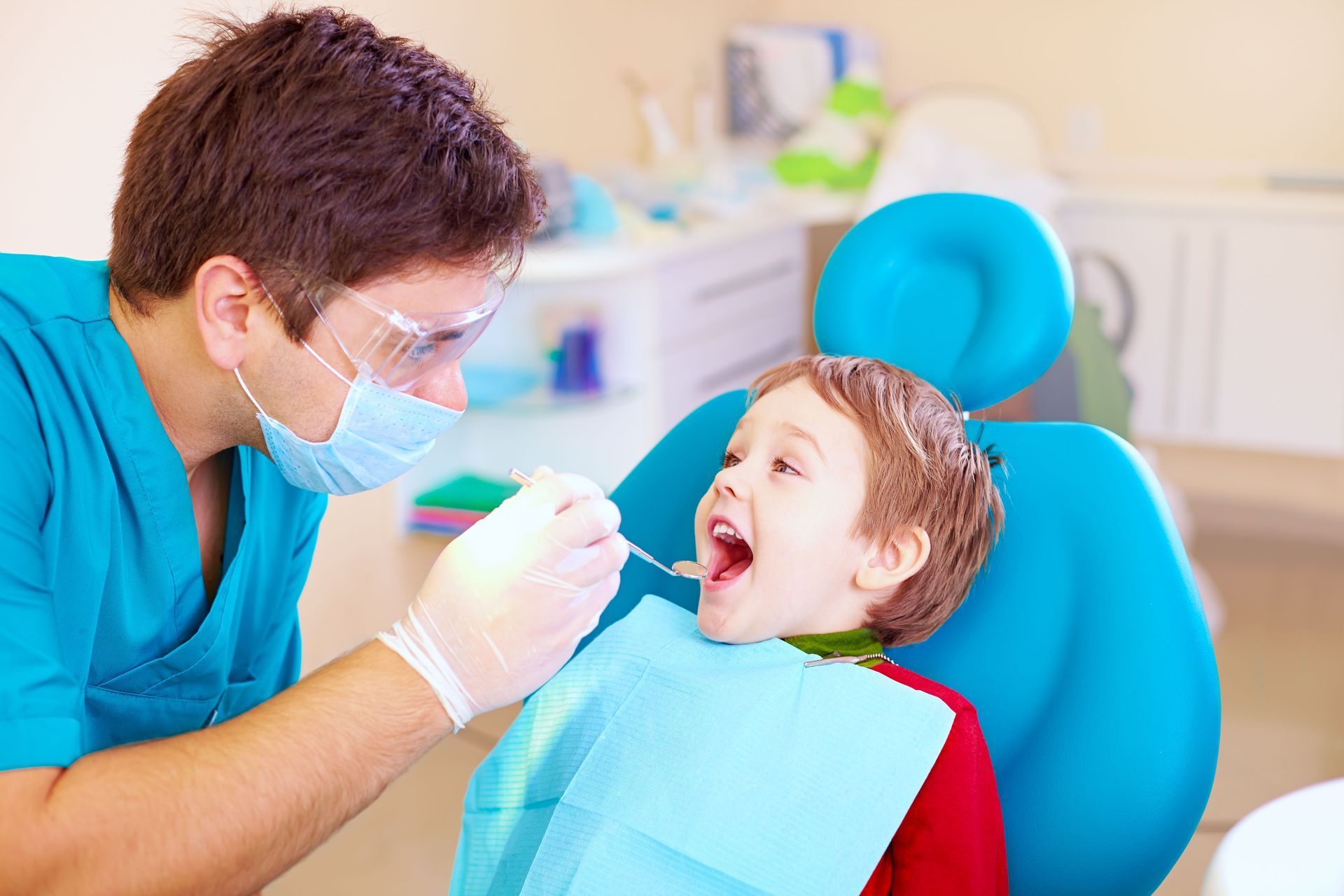
Selecting a pediatric dentist is crucial due to their specialized training in addressing the unique needs of children. Pediatric dentists are equipped to handle the emotional and developmental stages of young patients, ensuring a more tailored approach. The right dentist can employ child-friendly techniques that reduce fear and discomfort. By choosing a pediatric specialist, parents invest in quality care that benefits their child's oral health journey. A nurturing relationship with the dentist begins with selecting the right professional for the job.
b. Dentist Credentials and Experience
When choosing a dentist, parents should investigate the credentials and experience that qualify them for pediatric care. Board certification, residency programs, and ongoing professional development are indicators of a competent pediatric dentist. Experience working with anxious children can further enhance a dentist's ability to provide supportive care. Assessing these factors ensures that your child receives treatment from a well-qualified professional. The assurance of expertise can put both parents and children at ease during visits.
c. Atmosphere of the Dental Office
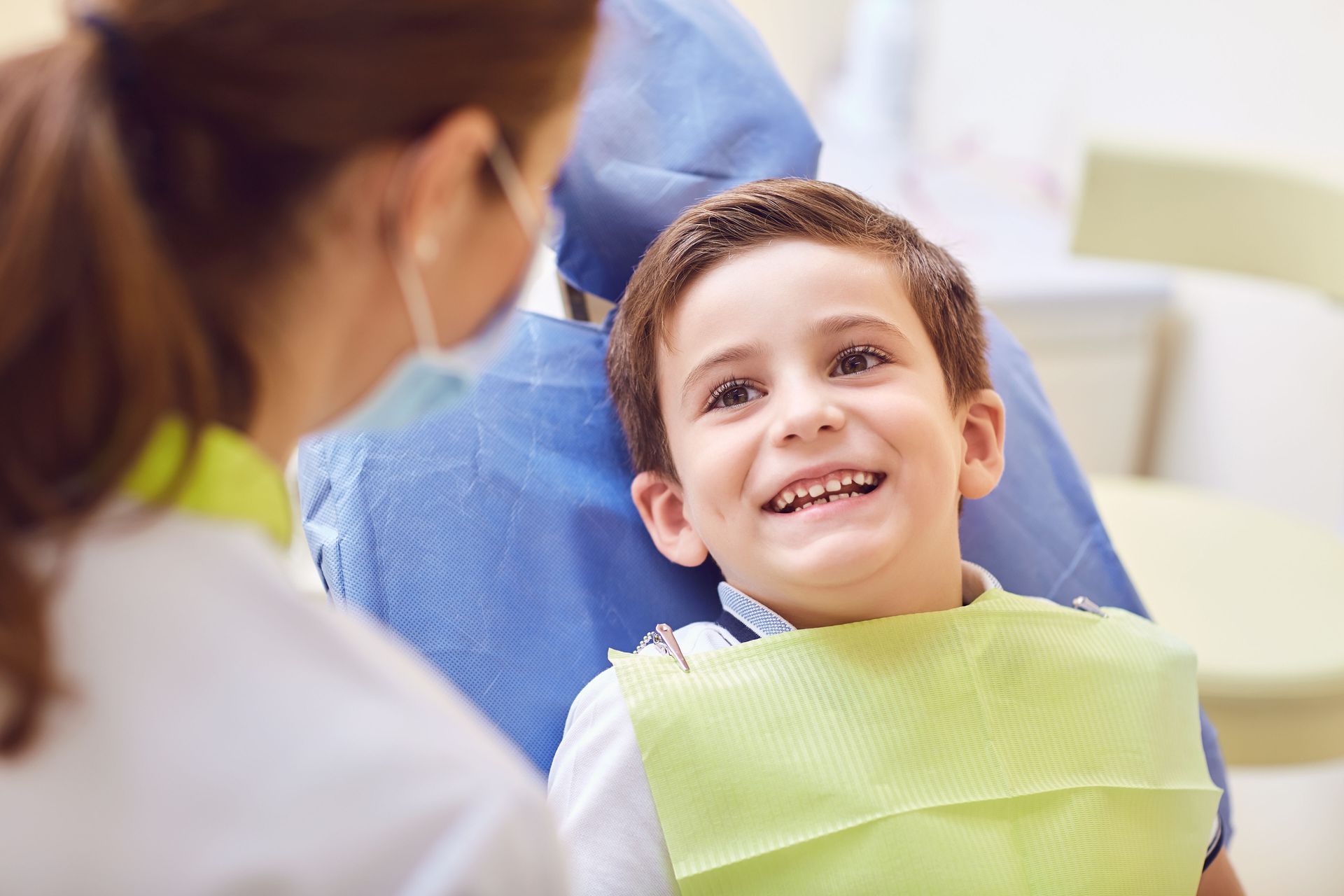
The environment of the dental office significantly contributes to a child's comfort and anxiety levels. Child-friendly practices often feature vibrant colors, playful décor, and interactive waiting areas conducive to easing worry. Such environments create a welcoming atmosphere that entertains and distracts young patients. Exposure to a positive setting can transform apprehensions into excitement about dental visits. When the office ambiance caters to children's needs, it enhances their experience from the moment they arrive.
3. Preparing Your Child for the Appointment
a. Explaining the Process
Describing the dental cleaning process in terms a child can understand is integral to their preparation. Simple and relatable explanations demystify the appointment, turning unknowns into familiar concepts. Parents might employ metaphors or stories to depict the cleaning as a gentle and beneficial adventure. Avoiding overly technical language helps maintain a reassuring tone for children. With clear communication, parents can help their child feel ready and informed ahead of the visit.
b. Role-playing Games
Role-playing games are effective tools for preparing children for dental appointments by engaging their imagination. Parents can simulate a dental visit at home using toys to depict the dentist, the instruments, and the procedure. This playful activity offers children a safe space to explore the experience without real-world pressures. Role-play encourages children to ask questions, express concerns, and build familiarity with the process. Practicing in a relaxed environment empowers them to face their fears with greater confidence.
c. Reading Books and Watching Videos
Educational resources, such as books and videos, offer valuable insights into what children can expect during dental visits. These materials often feature characters facing similar fears, allowing children to see a successful resolution. Many popular children's series include episodes detailing dental visits that help normalize the experience. Parents can discuss these storylines to extract lessons on bravery, understanding, and positivity. By offering relatable content, parents can make dental education an enjoyable and anticipatory part of preparation.
4. Techniques for the Day of the Appointment
a. Morning Routine
Establishing a calming and predictable morning routine sets a positive tone on the day of the dental appointment. Predictability in daily activities can provide comfort and reduce overall anxiety. Parents should aim for a minimal-stress morning, with enough time for breakfast, play, and hygiene habits. Situative consistency helps children face the appointment with a sense of control and anticipation. A serene start can leave children feeling reassured as they approach their dental visit.
b. Bringing Comfort Items
Familiar comfort items, such as favorite toys or blankets, can offer emotional security for children during dental appointments. These cherished possessions provide a sense of continuity between home and the medical setting. Allowing a child to bring a comfort object offers them something diverting to focus on, reducing stress. Parents should encourage their children to choose an item that makes them feel at ease. By incorporating these elements, children can better cope with unfamiliar surroundings.
c. Staying Calm and Positive
A parent's composure and positivity can significantly influence a child's perception and behavior throughout the dental visit. Remaining calm in the face of potential frustration or fear reassures children that the experience is manageable. Parents should use encouraging language, smile, and maintain a confident demeanor. Positive reinforcement reassures children that their efforts are recognized and valued. Acting as a calming anchor, parents empower their children to cope with potential anxiety productively.
With these expert strategies, parents can play a crucial role in turning their child's tears into triumphs during their first dental cleaning. By thoughtfully preparing and involving your child in the process, you can help them develop a lifelong positive relationship with dental care.
This begins with understanding their anxiety and seeking the right professional support through trained pediatric dentists. Through engaging preparation practices and on-the-day techniques, parents can support their children's dental visits to be fear-free and rewarding experiences.
These comprehensive strategies create lasting impressions, framing dental care as a positive routine integral to a healthy lifestyle. According to the Journal of IMAB, approximately 32.2% of preschool children exhibit significant dental fear. Embrace these steps to equip your child with the confidence and enthusiasm needed for lifelong oral health success. Be sure to reach out to Crisp & Associates Pediatric Dentistry today to learn more about our professional local kids dentist!